“With respect for landscapes – “I am monarch of all I survey. My right there is none to dispute.”” William Cowper quoted by Henry David Thoreau
When Thoreau said this in Walden Pond it wasn’t control that he was speaking of but rather the freedom he felt to see the place around him through the eye of possibilities. For him, these were the opportunities of making a home and making poetry.
It is this same sense of ownership, when it is broadly shared, that contributes to a vibrant and safe city. I have been blessed to live in Minneapolis, a city that over the last 30 years made a major commitment to engage its citizenry in developing policy and envisioning a path into the future. Community members have been invited to share their minds view – monarchs for the moment – providing what they each know to be the case now, and what each believes could or should be the case in the future.
Whether these statements from the community have focused on near-term correction or long-term transformation, I believe they have contributed to a dialogue that has had a significant impact on how we have developed as a community.
This page includes a variety of documents from the past two decades related to the I-94 corridor which runs for a mile and a half along the Loring Park Neighborhood’s south and west border, from I-35W to I-394.
To begin with, I think understanding my own background and role in community planning is important. I grew up in the Minneapolis suburb of Golden Valley. I have a professional Bachelor of Architecture degree from the University of Minnesota and work for a local architectural firm. For much of my adult life I have lived in Minneapolis’ Loring Park Neighborhood. After completing college, I chose to commit time to my community. It is through these activities that I have gathered the information and materials for this plan and website:
1998 – present Board member – Citizens for a Loring Park Community (CLPC) 2000 – 2004 Co-chair, Stevens Square/Loring Park Nicollet Avenue Task Force 2002 – 2008 President, Citizens for a Loring Park Community 2005 – 2007 Steering Committee Member, Access Minneapolis, the city’s ten year transportation action plan – appointed as the downtown area residential representative 2009 – 2013 Co-chair, Chair – Loring Park Neighborhood Masterplan Steering Committee (Small Area Plan adopted by city in 2013) 2010 Loring Park rep -Minneapolis Downtown 2025 Plan, Downtown Neighborhoods Work Group 2014 – 2015 Co-Chair Hennepin Lyndale Reconstruction Community Advisory Committee 2015 CLPC Rep, Minneapolis Sculpture Garden Renovation Community Advisory Committee 2015 – 2017 Co-Chair, Hennepin Lyndale Task Force – A joint Lowry Hill and Loring Park task force that arranged a study of corridor landscaping and maintenance that led to a coalition of area institutions, neighborhood associations and residents who partner with Green Minneapolis to provide additional landscaping and maintenance at the corridor’s public green spaces. 2017 – present CLPC representative, Hennepin Lyndale Crossroads Coalition 2019 – 2020 “Official client” for two Dunwoody College architecture thesis projects focusing on infill and reuse of the Dunwoody Blvd I-94 underpass adjacent to the Basilica of St. Mary 2013 – present Board member, Loring Greenway Association, president since 2022
ARCHIVES
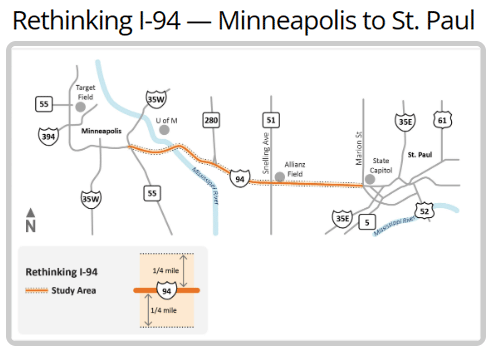
MnDOT Rethinking I-94 Study
Community Visioning & Planning
City Plans
Urban planning Articles
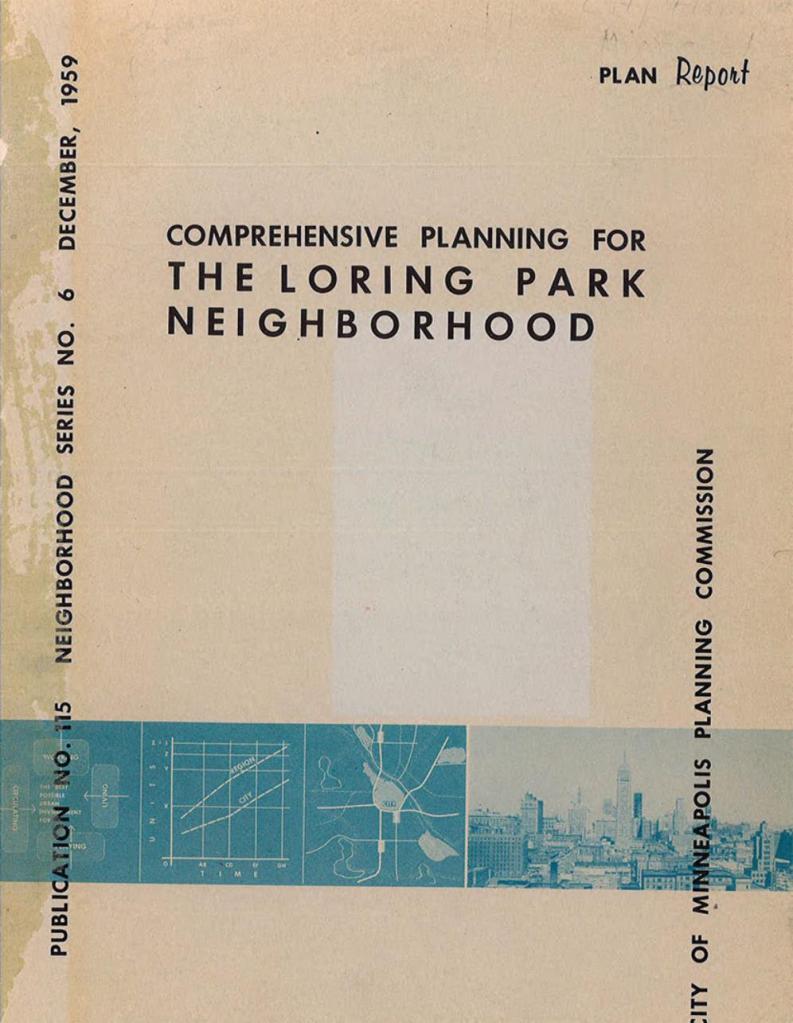
1959 City of Minneapolis Small Area Plan for the Loring Park N.hood done in preparation for the construction of I-94. See Document
MnDOT Rethinking I-94 Study
Website for the current MnDOT Rethinking I-94 Study
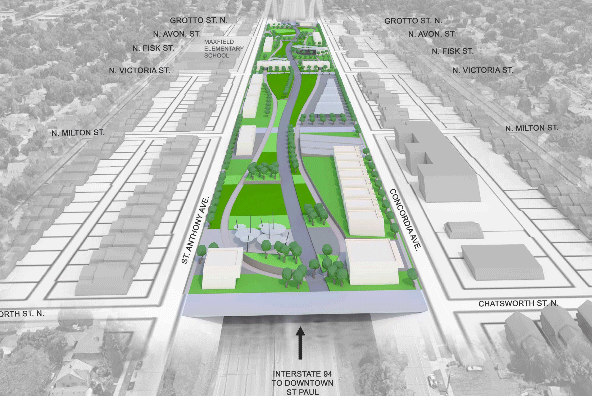
Reconnect Rondo Community Website
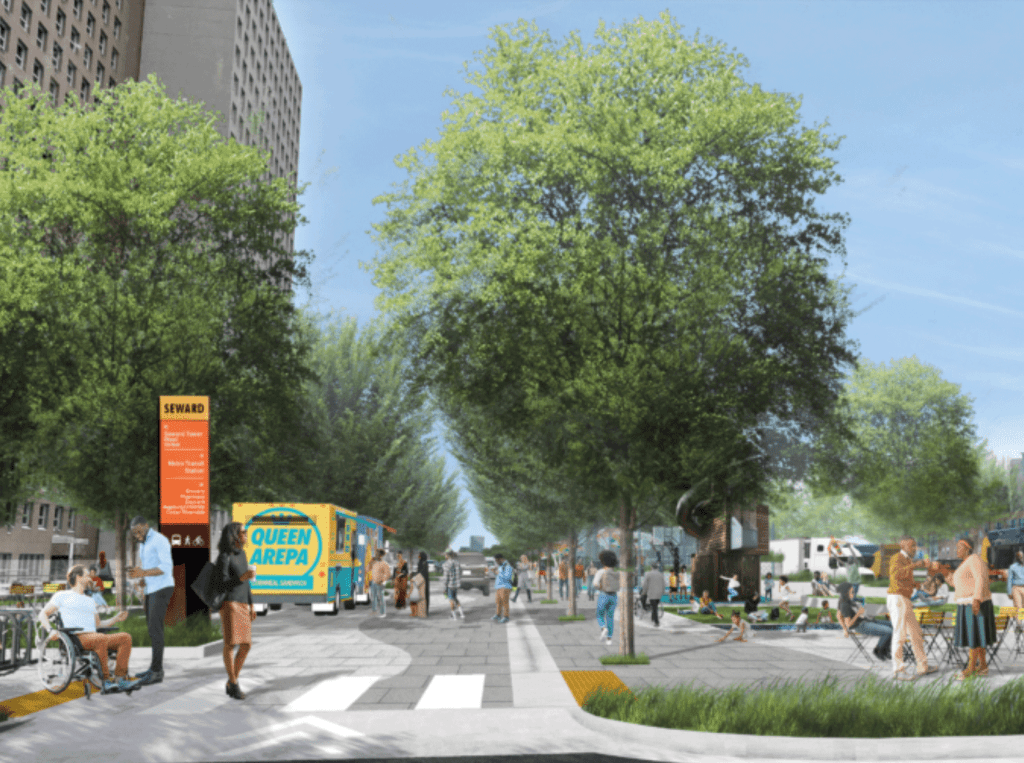
Our Streets Twin Cities Boulevards Website
Community Visioning & Planning
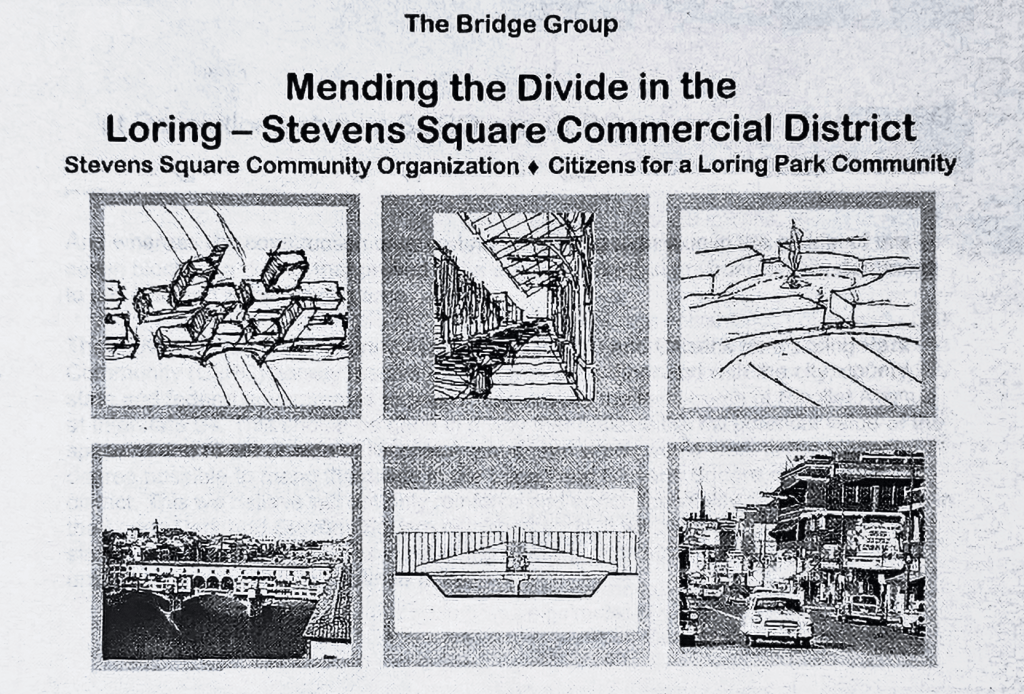
2006 Mending the Divide in the Loring – Stevens Square Commercial District Compiled materials relating to the joint efforts of the SSCO and CLPC neighborhood organizations to address the damaging effects of the I-94 bridge that currently divides the Loring Park -Stevens Square commercial district along Nicollet Avenue. See Document
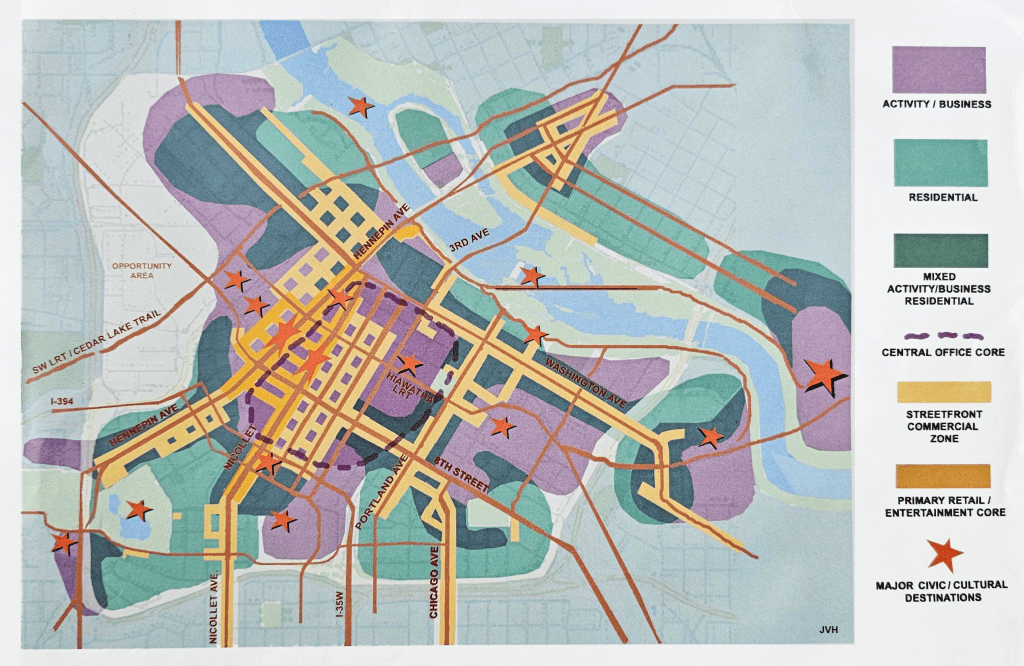
2011 Diagram of Downtown Produced by John Van Heel for discussion at the downtown neighborhoods work group that was part of planning for the Intersections Downtown 2025 Plan
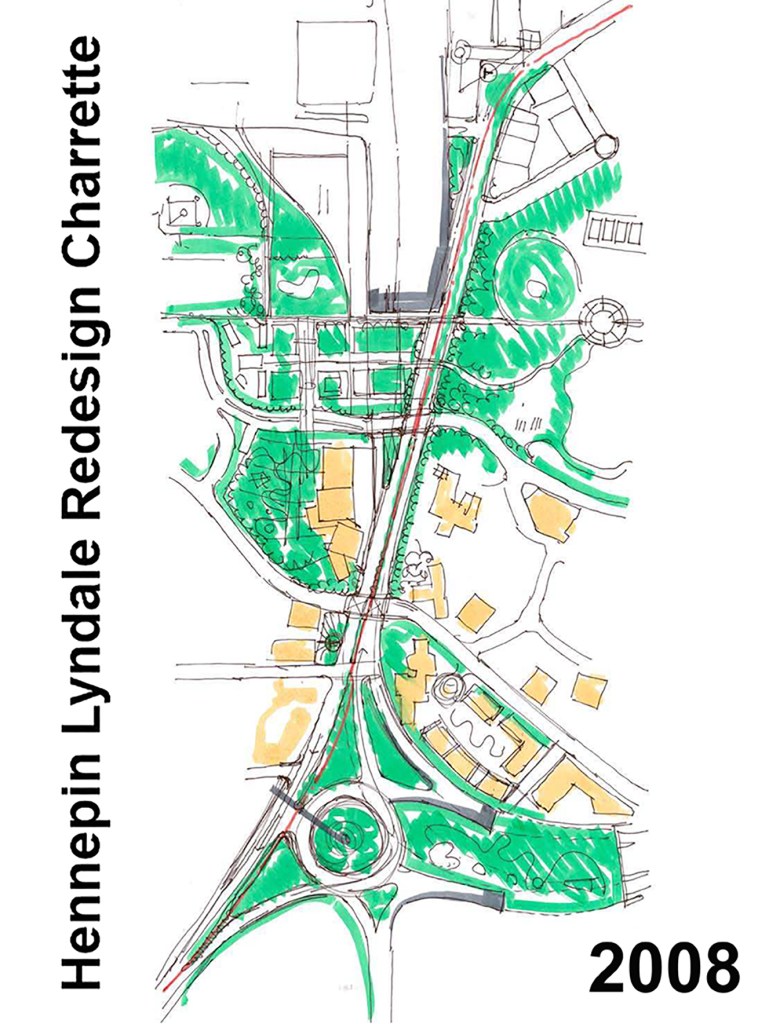
2008 Hennepin Lyndale Redesign Charrette On April 26, 2008 The Loring Park and Lowry Hill neighborhood associations (CLPC, LHNI) organized a Hennepin Lyndale re-design charrette in cooperation with the Minneapolis Chapter of the American Institute of Architects. The event was held on April 26, 2008 at the Walker Art Center. Participants included representatives of area institutions, residents, business owners and other interested people from across the city.
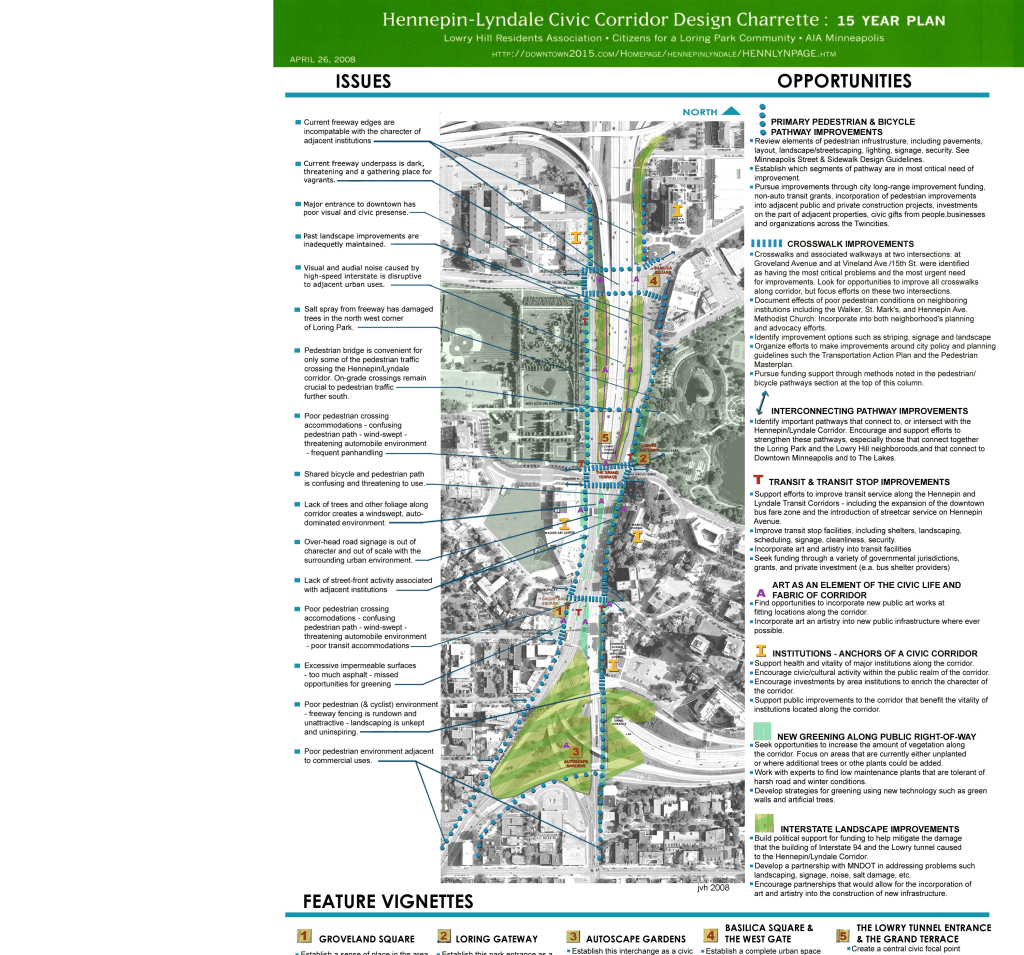
2008 Hennepin Lyndale 15 Year Plan
This Hennepin Lyndale Redesign Charette was broken into two parts: long term transformative change, and, shorter term change within the context of the existing freeway infrastructure. This plan was completed after the charrette and is based on shorter term changes. It was later incorporated into the Loring Park Neighborhood Small Area Plan (2013). Plan document and feature vignettes by John Van Heel See Plan
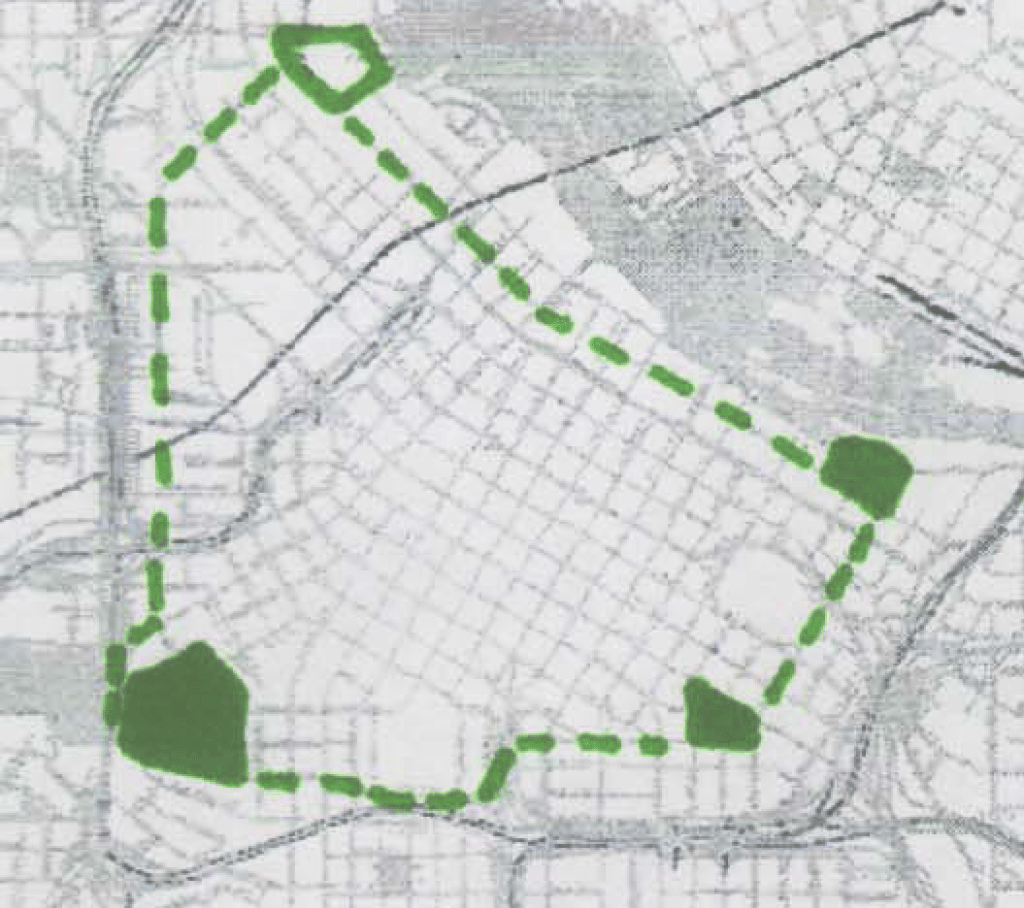
2009 Minneapolis Boulevard Concept Ryan Kronzer
2013 Loring Park Neighborhood Masterplan (Small Area Plan) Section on Hennepin Lyndale in Chapter 4 Public Realm, Peter Musty LLC This Small Area Plan was produced by Citizens for a Loring Park Community in cooperation with the City of Minneapolis, residents, business owners, and leaders from the neighborhood’s important institutions.
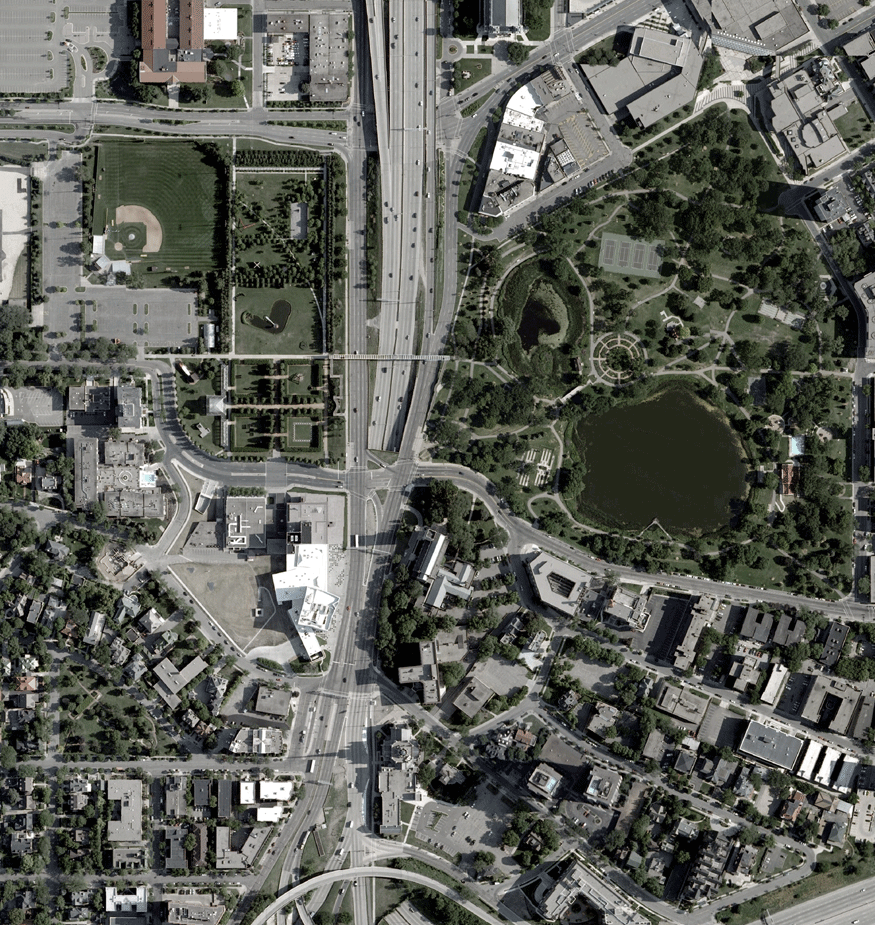
2014 Hennepin Lyndale Reconstruction Community Advisory Committee Vision Statement
Letter to political leaders and department heads signed by representatives from the Lowry Hill and Loring Park neighborhood associations (LHNA, CLPC) the Walker Art Center, the Basilica of St. Mary, the Episcopal Cathedral of St. Mark, Hennepin Avenue United Methodist Church, The Minneapolis Downtown Council, the Minneapolis Bicycle Coalition and the Minneapolis Pedestrian Advisory Committee Read Letter
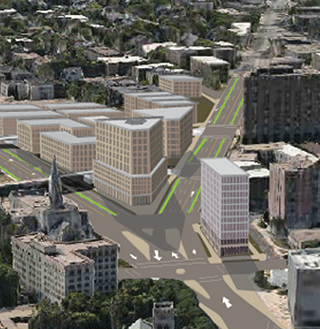
2014 Hennepin Lyndale Grid Concept, Joe Polacek
This street grid-based concept was brought to the Hennepin Lyndale Reconstruction Community Advisory Committee.
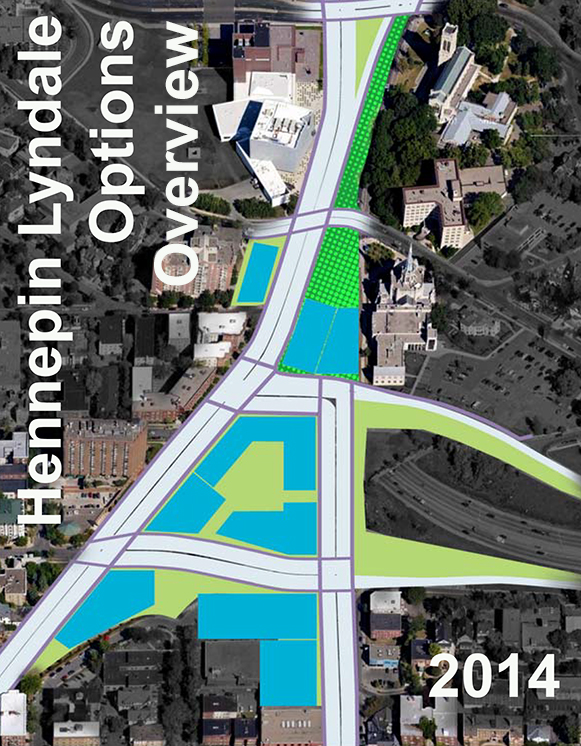
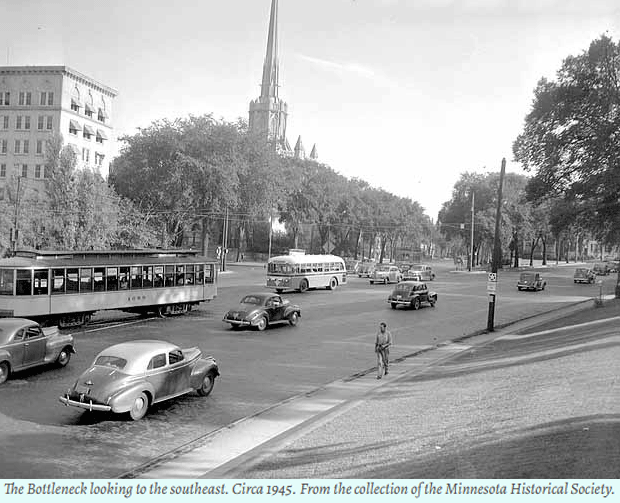
2014 Hennepin Lyndale Bottleneck Options Overview by Sam Rockwell
Overview covers the Traffic Circle and Restore the Grid options for south end of Hennepin Lyndale.
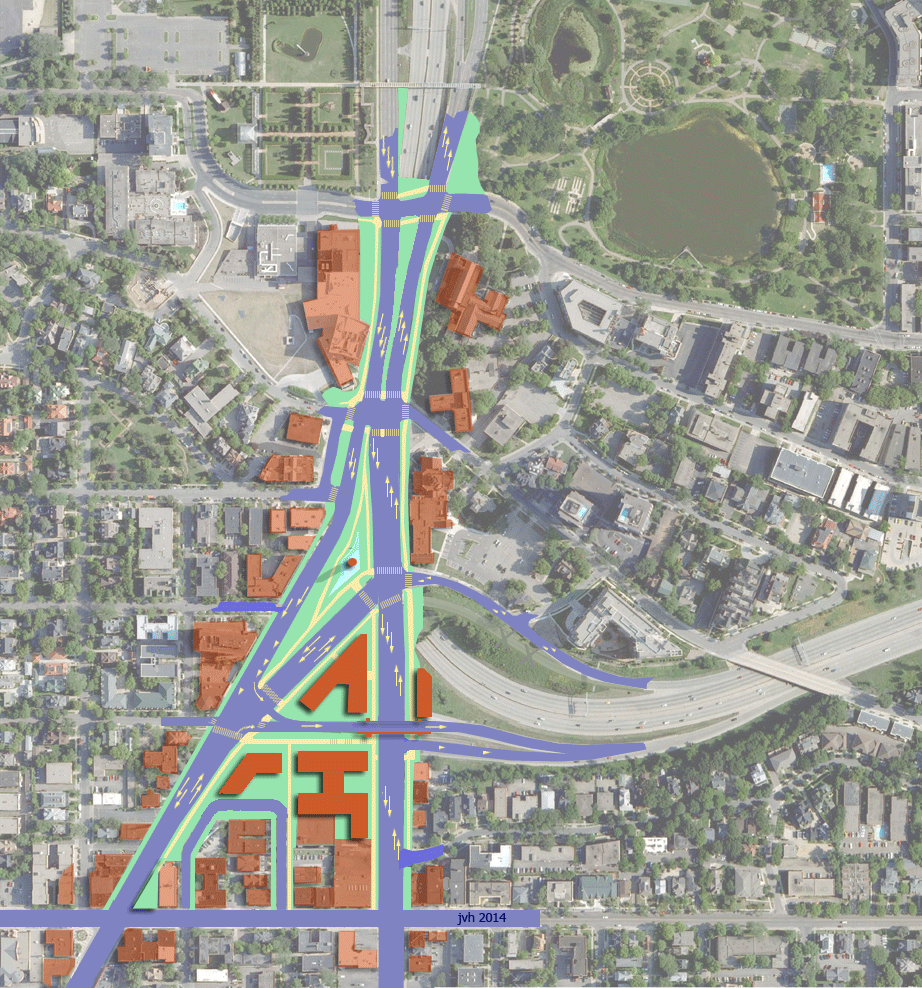
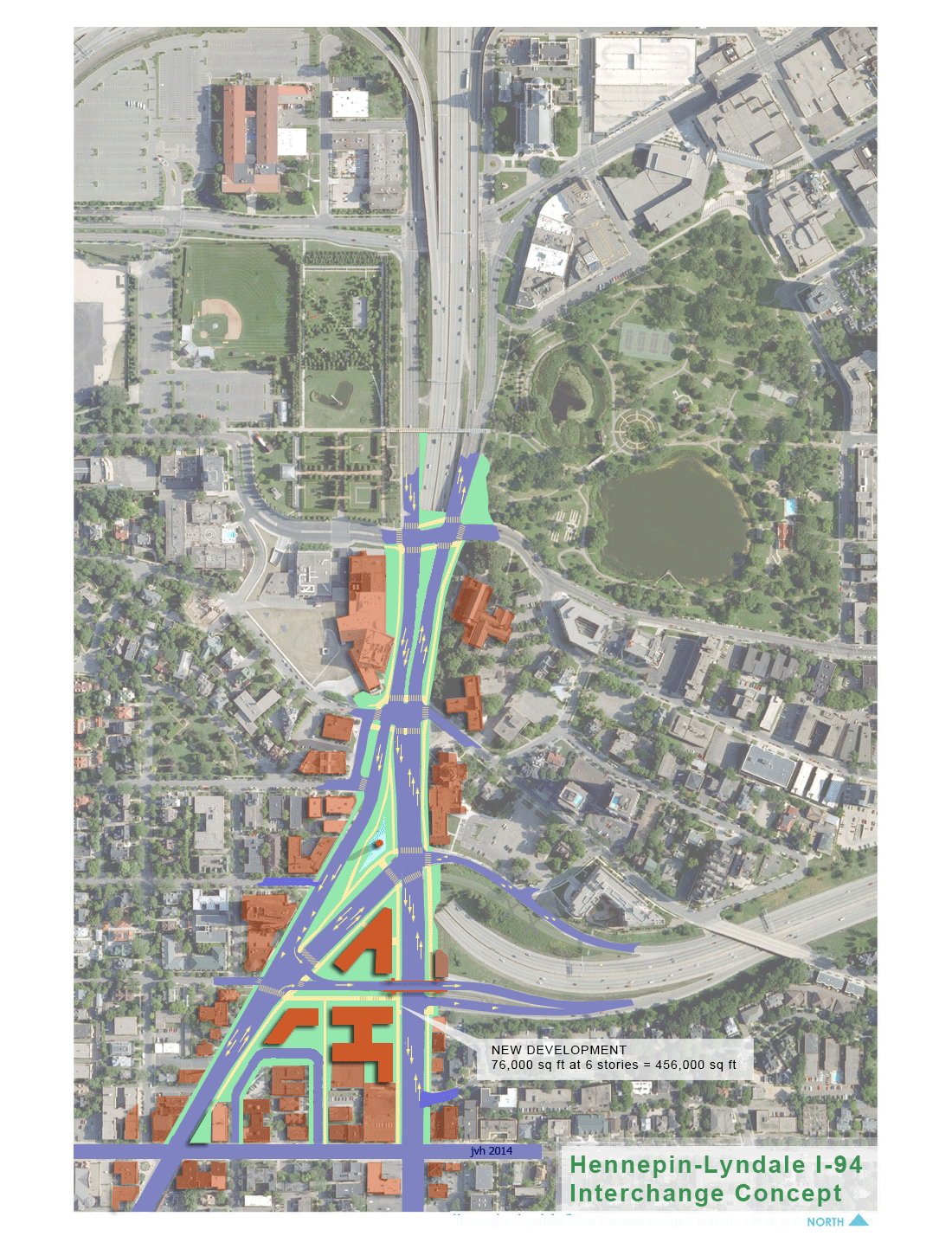
2014 Hennepin-Lyndale/I-94 Interchange Concept, John Van Heel
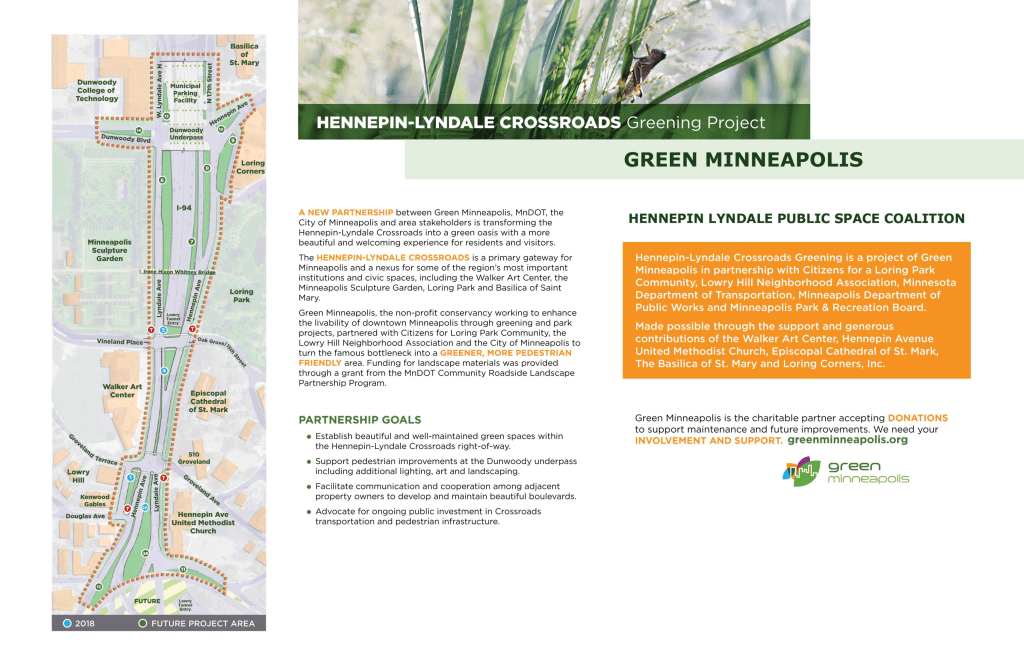
2018 Overview of the Hennepin Lyndale Crossroads Coalition and Greening Project This coalition of Institutions and community members works in partnership with the non-profit organization Green Minneapolis to maintain and improve landscaping at the publicly owned green spaces that run through the center of the corridor.
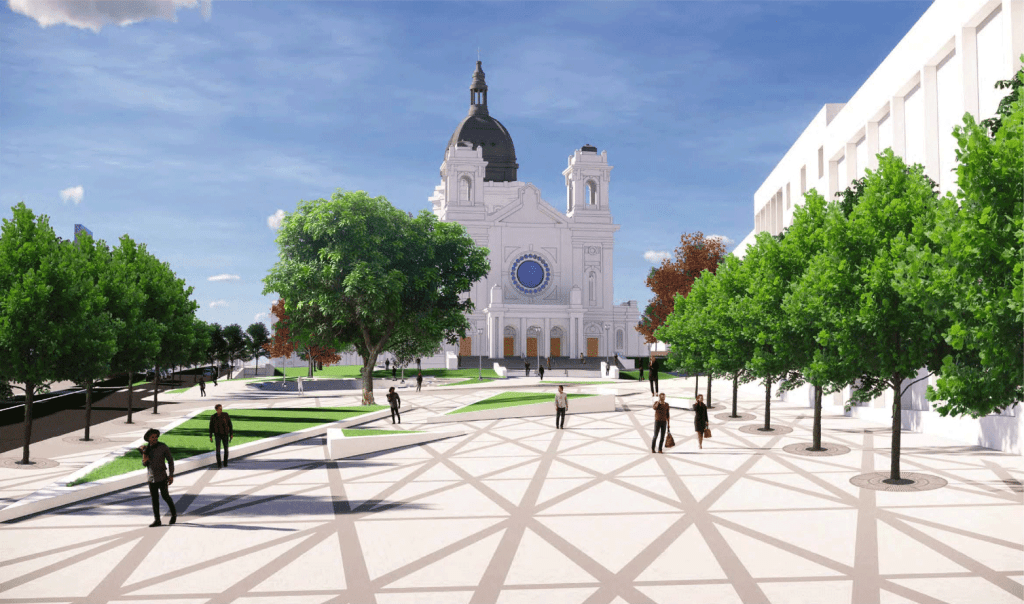
2020 Basilica of St. Mary Masterplan, Urban Design Strategies – Duval Group, HGA, Ten x Ten ‘Long Term Strategy’ – “When the freeway segment abutting the Basilica ages out, it should be removed, and the I-94 tunnel should be extended, enabling the freeway to move through the district beneath the ground. Achieving that goal will require constituency, and an adopted plan recommending the viaduct’s removal and providing justification. That adopted plan must then be championed as City by the City of Minneapolis.” See Document
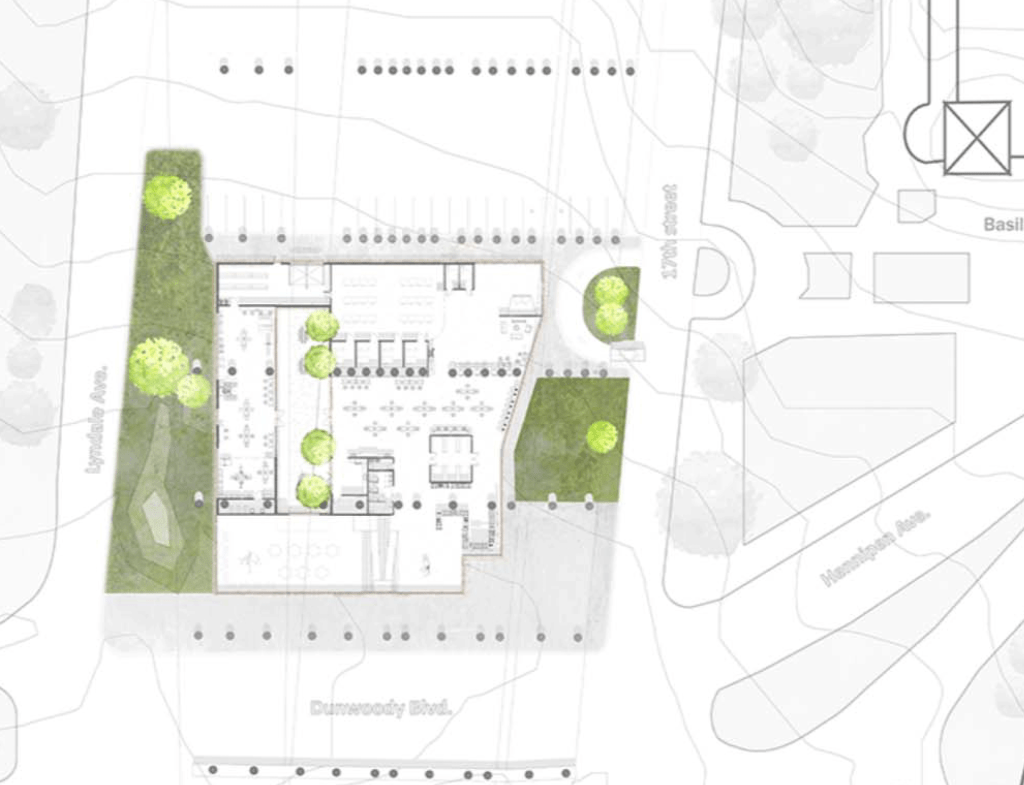
2020 Bridging the Divide: Reviving the Hennepin I-94 Underpass, Samantha Christner
Senior Thesis project, Dunwoody College Architecture program. This project, done in cooperation with the Hennepin Lyndale Coalition, examined potential development at the Dunwoody Blvd I-94 underpass. See project
More to be added
City Plans
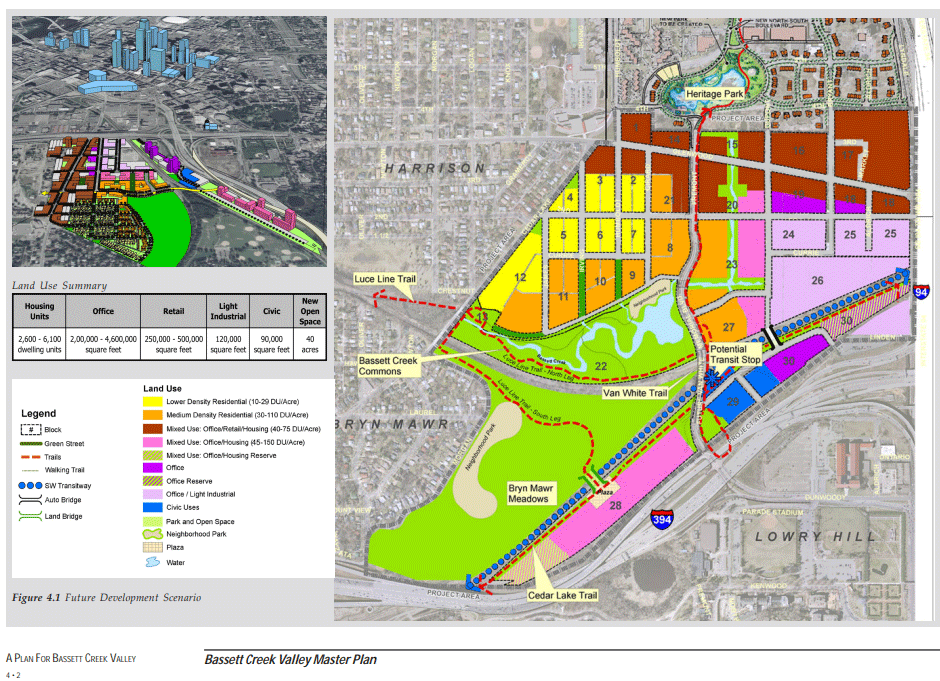
2007 Bassett Creek Valley Masterplan (Small Area Plan)

2005 Bryn Mawr Land Use Plan, Minneapolis
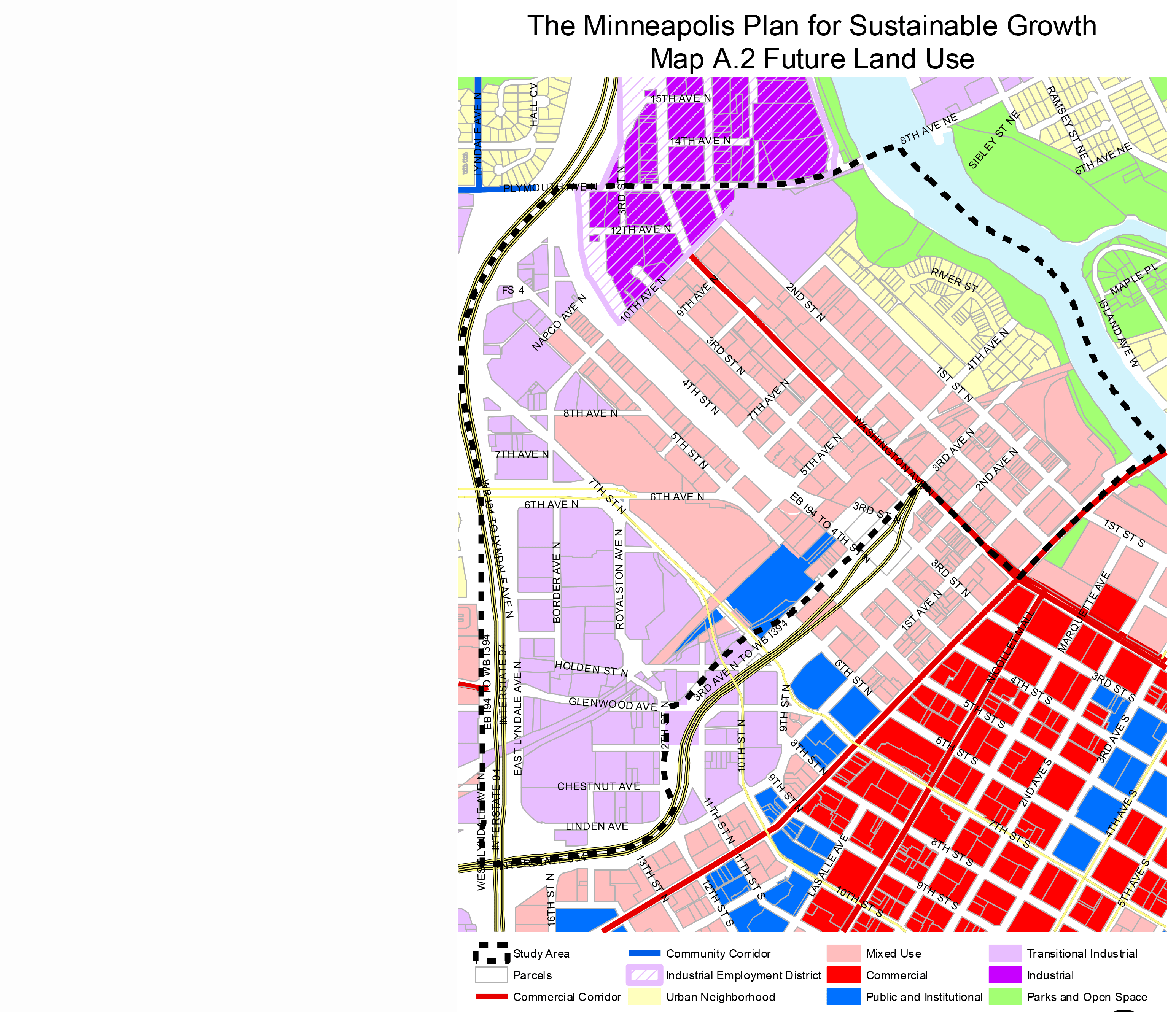
2010 North Loop Small Area Plan, Minneapolis
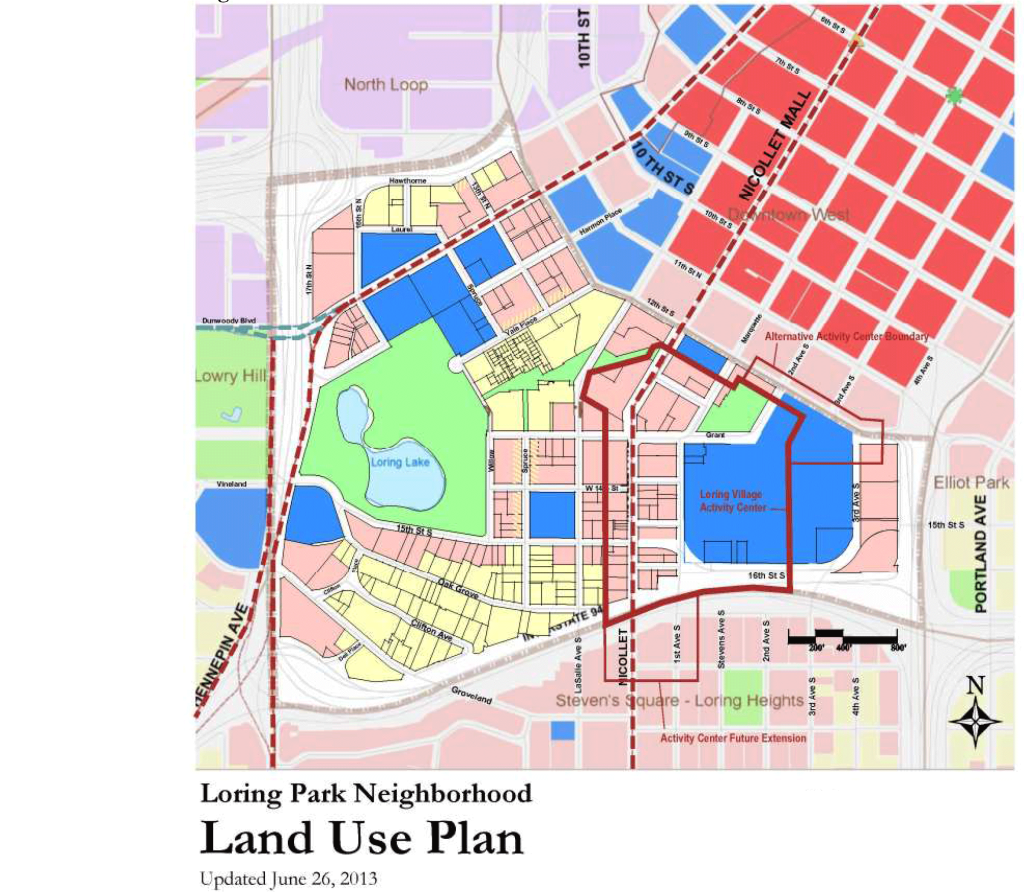
2013 Loring Park Neighborhood Masterplan (Small Area Plan)
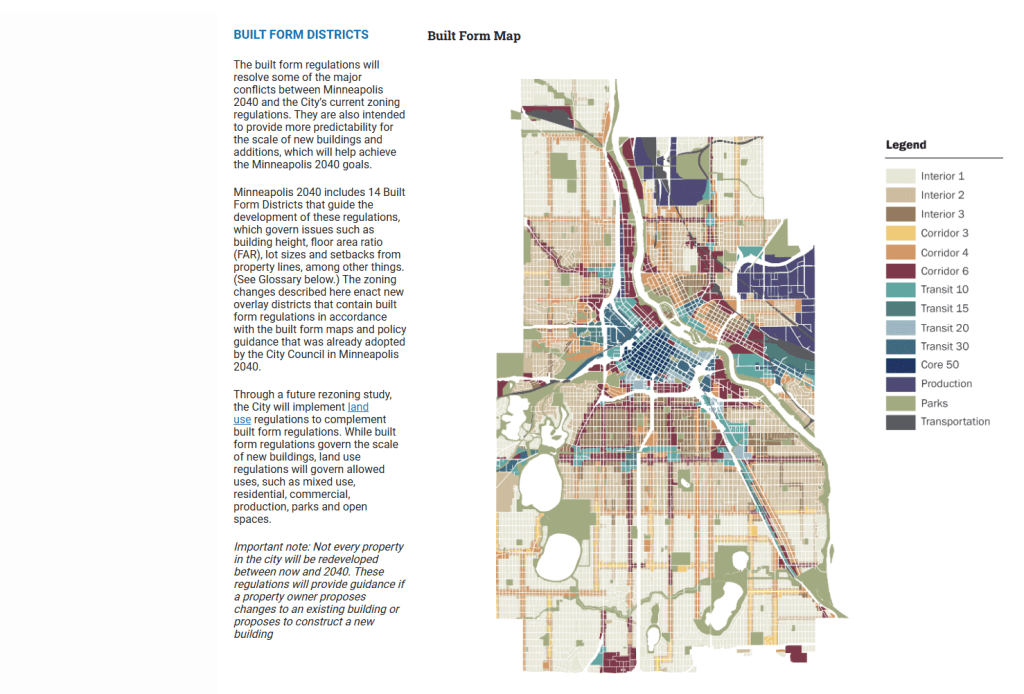
Urban planning Articles
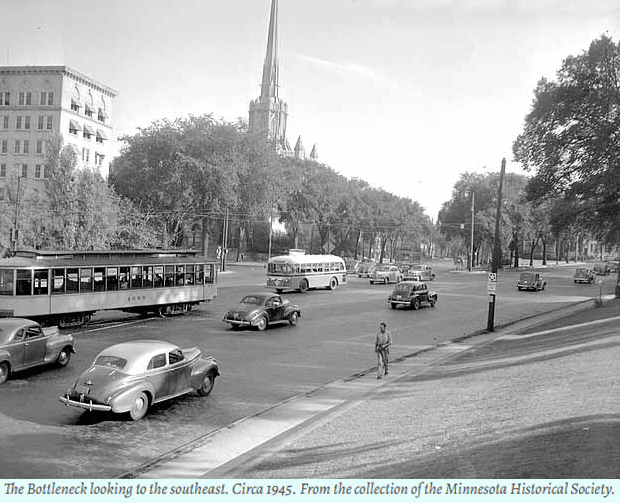
Is it Possible to Fix the Bottleneck at Hennepin Lyndale? StarTribune by Frank Edgerton Martin January 28, 2017

26 Empire State Buildings Could Fit Into New York’s Empty Office Space. That’s a Sign. New York Times by Edward L. Glaeser and Carlo Ratti May 10, 2023
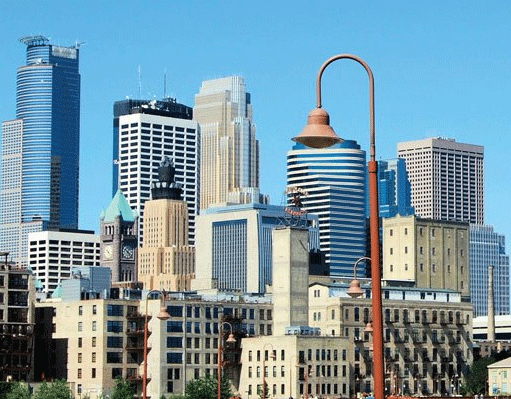
More Housing is the Only Way to Fix Our Downtowns MinnPost by Bill Lindeke Dec. 23, 2022
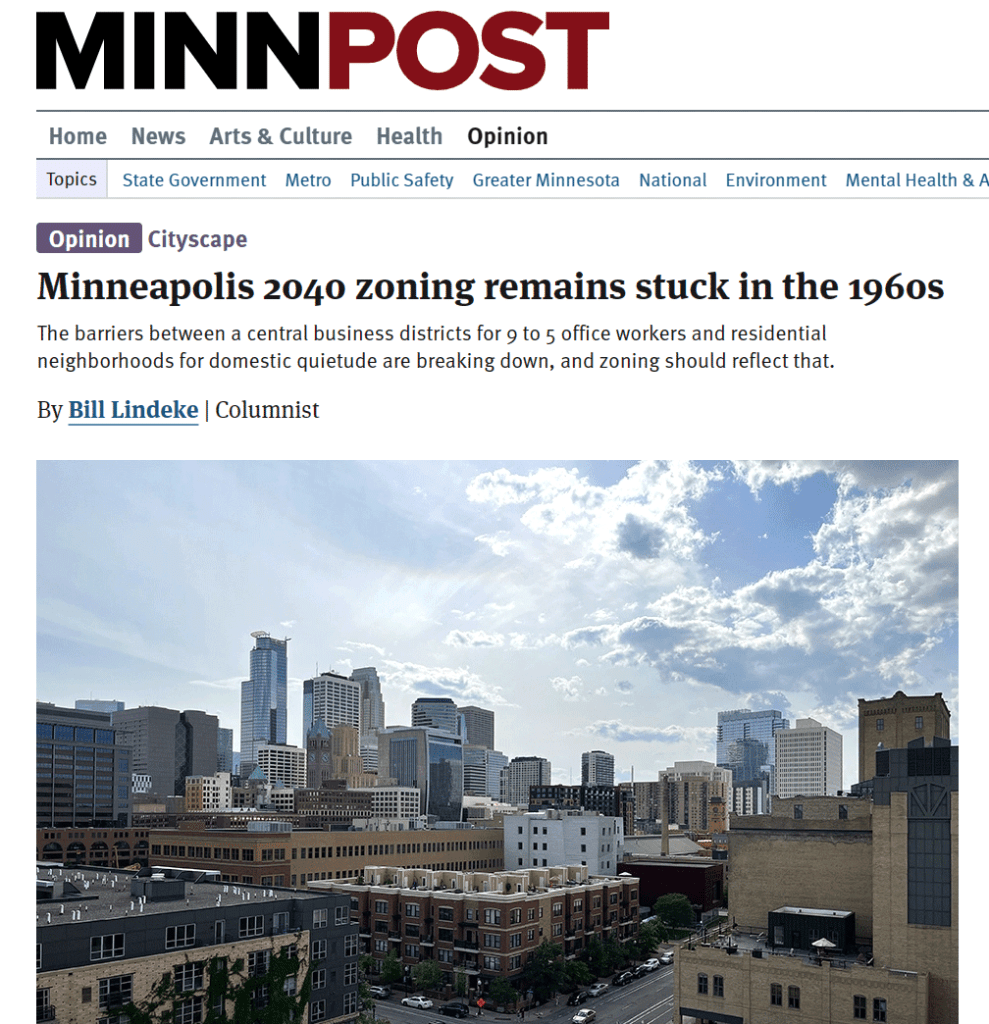
Minneapolis 2040 zoning remains stuck in the 1960s MinnPost by Bill Lindeke, March 17, 2023
“The barriers between a central business districts for 9 to 5 office workers and residential neighborhoods for domestic quietude are breaking down, and zoning should reflect that.”
 The Hennepin Lyndale & Minneapolis West Side Plan